Dr J. Peter Greaves
To comprehend the devastation that was wrought by the génocidaires of Rwanda, few reports are as informative as that produced by UNICEF. Called “Starting from Zero”, it describes the consequences of the crime of genocide on the country’s children. In the aftermath, an estimated 100,000 children were lost — separated from their families, orphaned, abducted, or abandoned. Most of Rwanda’s children had witnessed extreme forms of brutality, and 90 per cent of them had at some point thought they would die. Most children felt they had no future and did not believe that they would live to become adults. An estimated 300,000 children were murdered and 300 children, some less than ten years old, were accused of genocide. The overall death toll in the genocide of the Tutsi, April-July 1994 is one million people.
The focus for UNICEF was the country’s children, and a team arriving in July found a country looted and destroyed, ransacked by the retreating genocidal forces of Hutu Power. In the capital Kigali, from a previous population of 300,000 people, some 50,000 people were left alive. Lacking adequate food and water, they were terrorized and traumatised. The schools and churches where victims sought shelter were massacre sites.
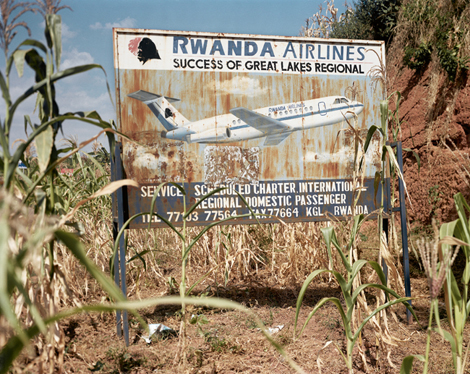 Kigali International Airport. Over a period of four days, some 3,900 people of 22 nationalities left Rwanda with the help of European troops flown in for that purpose. © Pieter Hugo
 Linda Melvern